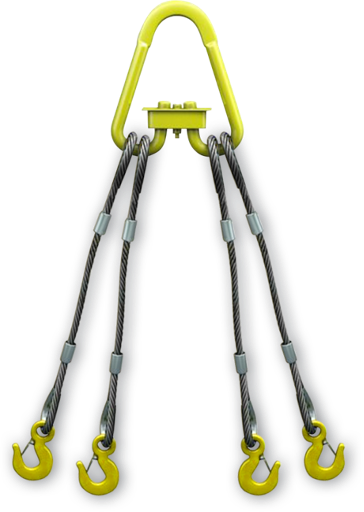
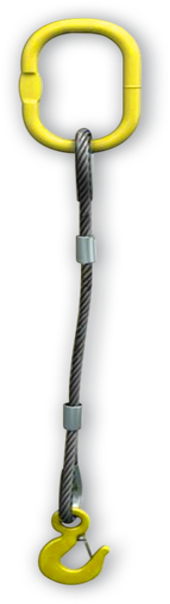
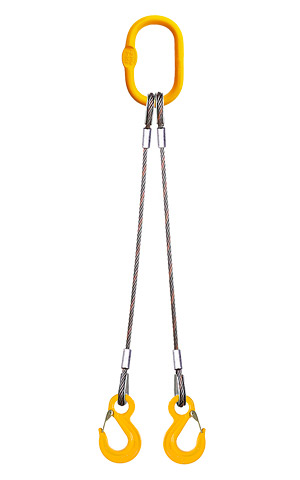
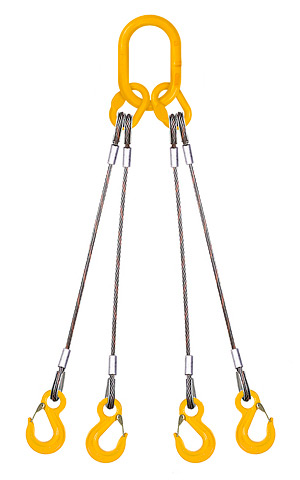
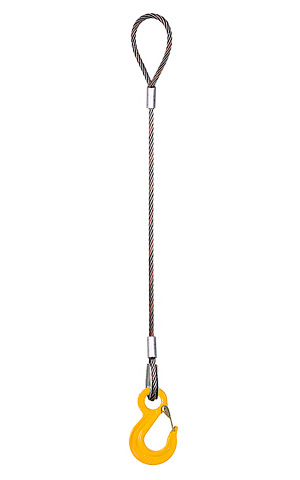
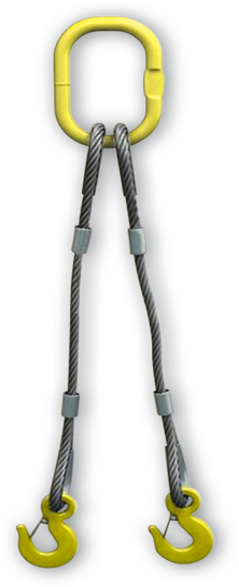
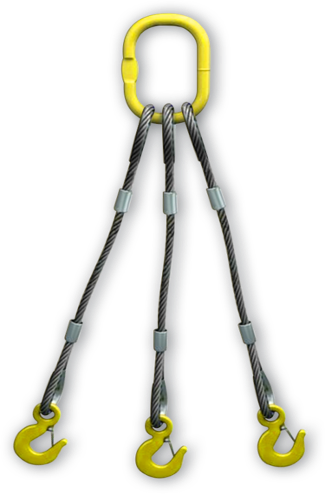
Available sling types: 1WS, 2WS, 4WS
Operating temperature range: from -40°C to +200°C
Sling material: bright (unlubricated) steel wire ropes
Rope diameter: 6.2 – 65.0 mm
Lifting capacity: 0.32 – 60.0 tons
Sling length: determined individually according to customer requirements
- GOODS
- PLYWOOD
-
Formwork in construction
- Formwork for floors
- Wall and column formwork systems
- Modular plastic formwork for walls, foundations, columns, and slabs
- Formwork equipment
- Lightweight formwork system using three-layer panels
- rebar spacers, embedded parts for formwork and monolithic structures
- Formwork accessories and auxiliary materials
- Foundation formwork system
- Rebar spacers and embedded elements for formwork and concrete structures
- Formwork release agent
- Equipment rental
- Lightweight metal formwork
- Exterior scaffolding
- Portable Scaffold tower, construction scaffolding
- Equipment for lifting and moving goods
- Freight and passenger lifts, platforms, and cradles
- Industrial platforms
- Ladders and boxes
- Protective nets and barriers
- Garbage chutes
- Generators
- EQUIPMENT RENTAL
- Rental Services
- About US
- Our partners
- How to buy
- Contacts